Your home isn’t just an investment, the UN says it’s a basic human right
The United Nations maintains that housing is first and foremost a basic human right, even as it is increasingly treated as an investment asset worldwide.
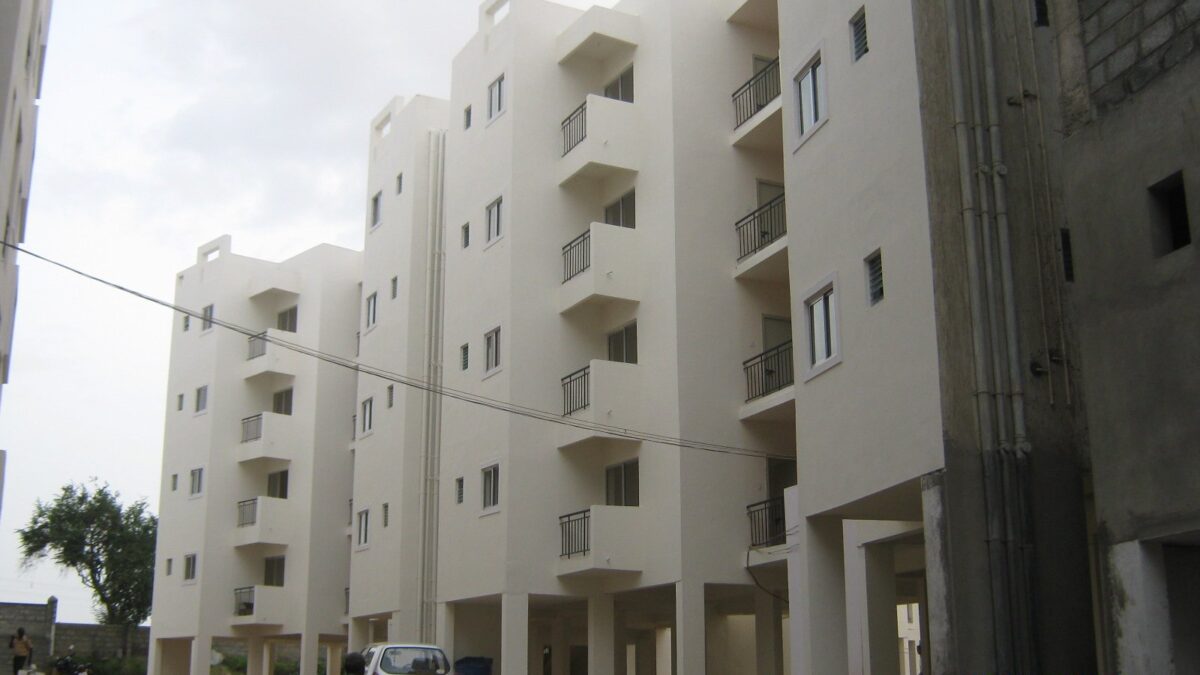
Housing is increasingly viewed as an investment asset, but the United Nations maintains that it is first and foremost a basic human right. According to the UN, the right to adequate housing means more than having a roof over one’s head — it includes security of tenure, protection from forced eviction, access to basic services and infrastructure, and the ability to live close to schools, employment and healthcare in a manner consistent with one’s culture and dignity.
The right to adequate housing was first recognised under Article 25 of the Universal Declaration of Human Rights in 1948, as part of the right to an adequate standard of living. It was later reaffirmed under Article 11.1 of the International Covenant on Economic, Social and Cultural Rights in 1966, and every UN member state has since ratified at least one international human rights treaty that recognises or relates to it.
The UN Committee on Economic, Social and Cultural Rights has clarified that the right should not be interpreted narrowly — it means living somewhere in security, peace and dignity. Its scope is explained through General Comment No. 4 on the right to adequate housing and General Comment No. 7 on protection against forced evictions.
Yet violations of this right remain widespread, often because housing is rarely treated as a genuine human right in domestic policymaking. The UN says realising the right depends on governments adopting appropriate laws, policies and national housing strategies.
Image: Wikimedia Commons/by JanShu


Leave a Reply