One Indian exporter’s math shows why a tariff cut alone won’t fix everything
A medium-scale Indian textile exporter says a 20-30% cost disadvantage persists even after a new UK free trade deal eliminated tariffs of up to 12% this week.
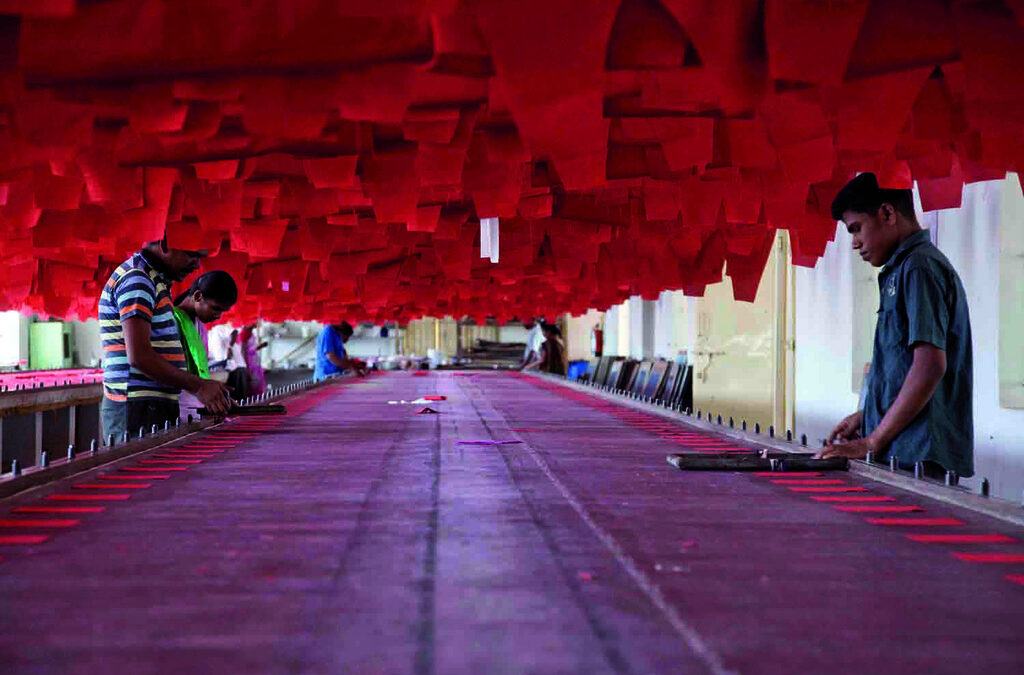
A tariff cut sounds like straightforward good news, but one medium-scale Indian textile exporter’s numbers tell a more complicated story about what actually decides whether a factory wins an overseas order.
Speaking on condition of anonymity, the exporter told TOI that even with the new India-UK free trade agreement eliminating tariffs of up to 12% this Wednesday, a cost gap of 20-30% against competing exporting nations remains, driven mainly by higher man-made fibre and cotton fabric costs. The exporter called on the government to incentivise the domestic MMF ecosystem and strengthen the cotton supply chain to close that gap.
The new FTA brings India’s textile export tariffs into line with those enjoyed by Bangladesh and Vietnam in the UK market, where India currently holds about a 6% share of apparel imports. Industry body the Indian Texpreneurs Federation is optimistic about the opening; its convener, Prabhu Dhamodharan, said long-standing relationships with UK retailers such as Primark, Next, Tesco and M&S mean Indian exporters can ramp up supply quickly, and projected the UK import share could roughly double within four to five years.
But the on-the-ground cost story suggests tariffs are only part of the competitiveness equation. Fragmented supply chains, longer lead times and limited manufacturing scale continue to weigh on Indian exporters relative to rivals, alongside relatively low labour productivity.
Yes Securities strategist Hitesh Jain echoed the caution, saying the textile sector is less likely than industries like auto or pharma to convert preferential market access into sustained export growth, given structural challenges and the fact that countries like Vietnam already gained from the ‘China plus one’ shift in global sourcing.
Jain added that even rupee depreciation has failed to offset the disadvantage, since India’s high dependence on imported raw materials keeps landing costs elevated regardless of currency movements — reinforcing the exporter’s point that the tariff cut alone will not automatically translate into a stronger export run.
Wikimedia Commons/by Fabrics for Freedom



Leave a Reply