Your child’s daytime tantrums might trace back to how they breathe at night
Studies have linked sleep-disordered breathing in children, including chronic mouth breathing, to behavioural and neurocognitive difficulties during the day.
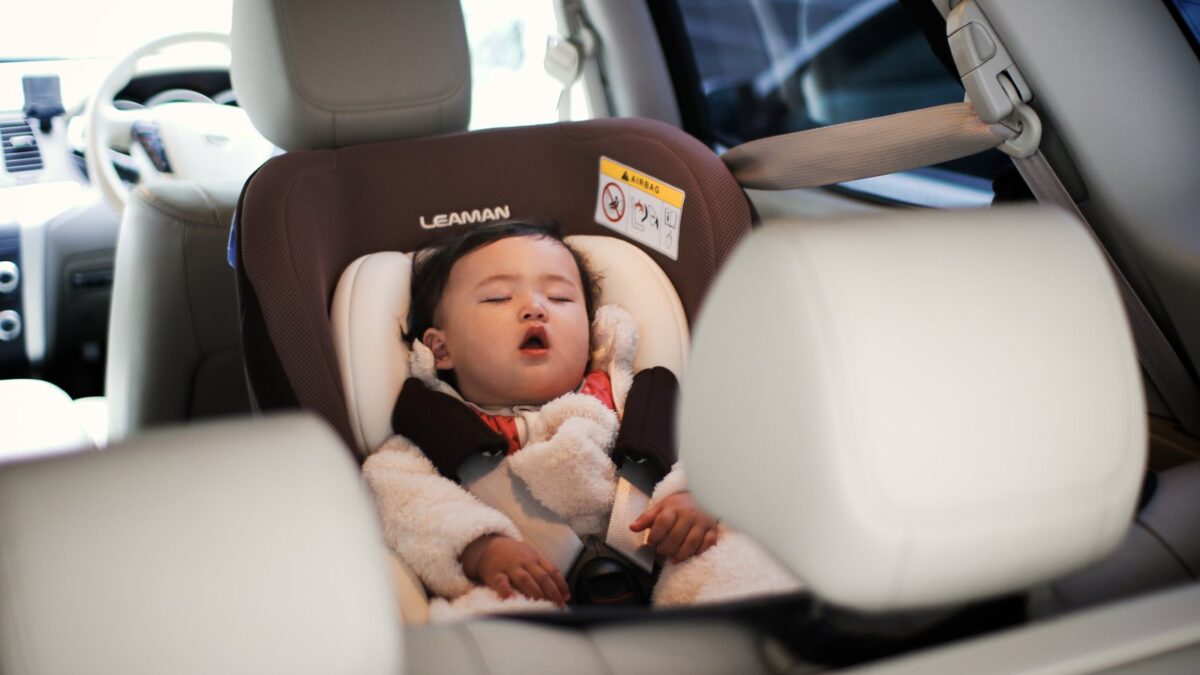
Parents are often surprised to learn that breathing issues during sleep can sometimes show up as behavioural problems during the day. Studies have found that sleep-disordered breathing in children is associated with behavioural and neurocognitive difficulties, and a child who doesn’t get proper restorative sleep often appears hyperactive, irritable, tired and easily distracted.
The root cause is often mouth breathing during sleep, something many parents dismiss as a cute or quirky habit. While occasional mouth breathing from a cold or allergies is harmless, persistent mouth breathing can be an early sign that a child isn’t breathing optimally, often because a blocked nasal passage restricts the airway.
When breathing is restricted, sleep becomes fragmented, preventing children from reaching the most restorative stages of rest, even if they appear to sleep through the night. Nasal breathing supports a healthy oxygen and carbon dioxide balance, and according to the American Academy of Pediatrics, sleep-disordered breathing can affect cardiovascular health, growth and cognitive functioning if left untreated.
The encouraging part is that many airway and breathing issues can be identified and managed early. Parents can seek professional help from a paediatrician, monitor sleep quality, check for snoring, keep the bedroom free of allergens and encourage good hydration.
Image: Wikimedia Commons/by MIKI Yoshihito



Leave a Reply