Thousands of beaver dams are quietly reshaping Patagonia’s landscape
Beavers introduced to Patagonia in 1946 have built thousands of dams that flood forests and permanently alter river valleys across Tierra del Fuego.
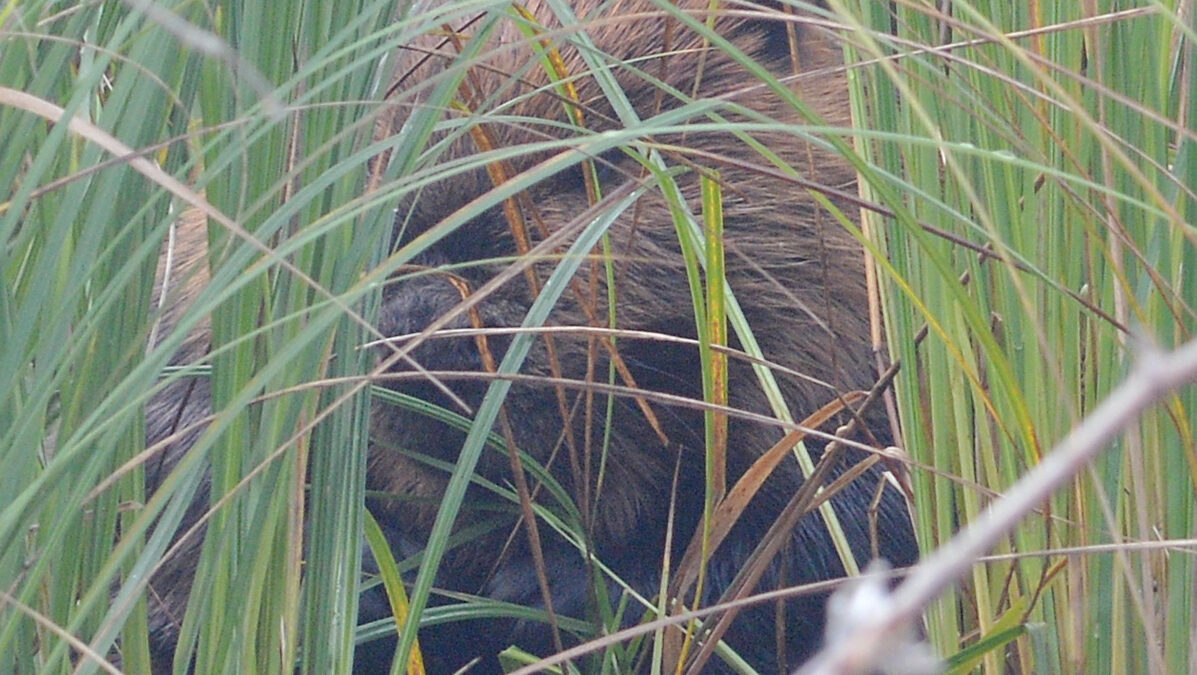
Beaver engineering has reshaped large areas of Patagonia, with each dam backing up water, flooding surrounding forests, and creating wetlands where even mature trees die. The transformation traces back to a single event in 1946, when Argentine authorities released 20 North American beavers into the forests of Tierra del Fuego, hoping to establish a fur industry.
With abundant food, suitable habitat, and no natural predators, the beavers multiplied rapidly over the following decades. Scientists now estimate the population numbers in the tens of thousands across Argentina and neighbouring Chile, and research shows thousands of beaver dams now exist across Tierra del Fuego and nearby islands, with altered waterways visible in satellite imagery and aerial surveys.
Once abandoned, several of the ponds created by beaver dams do not return to their previous condition, instead becoming meadows or permanently altered wetlands that change river flow, soil conditions, and habitats for other species. While such wetlands can be beneficial in North America, where forests evolved alongside dam-building beavers, the prolonged flooding in Tierra del Fuego often kills native Nothofagus trees rather than allowing them to regenerate. Researchers estimate millions of trees have been affected over decades of beaver activity, fundamentally altering forest structure and biodiversity.
After recognising the growing ecological damage, Argentina and Chile signed a binational agreement to coordinate beaver management and ultimately pursue eradication across Tierra del Fuego. Conservationists say removing the invasive population offers the best chance of protecting the region’s unique temperate forests, though the task is expected to take many years given the animals’ widespread distribution and continuous breeding.

Leave a Reply