This fossil suggests far more tiny wild cats once roamed the Earth
The discovery of a new 300,000-year-old cat species in China suggests prehistoric leopard cats were far more diverse than scientists previously believed.
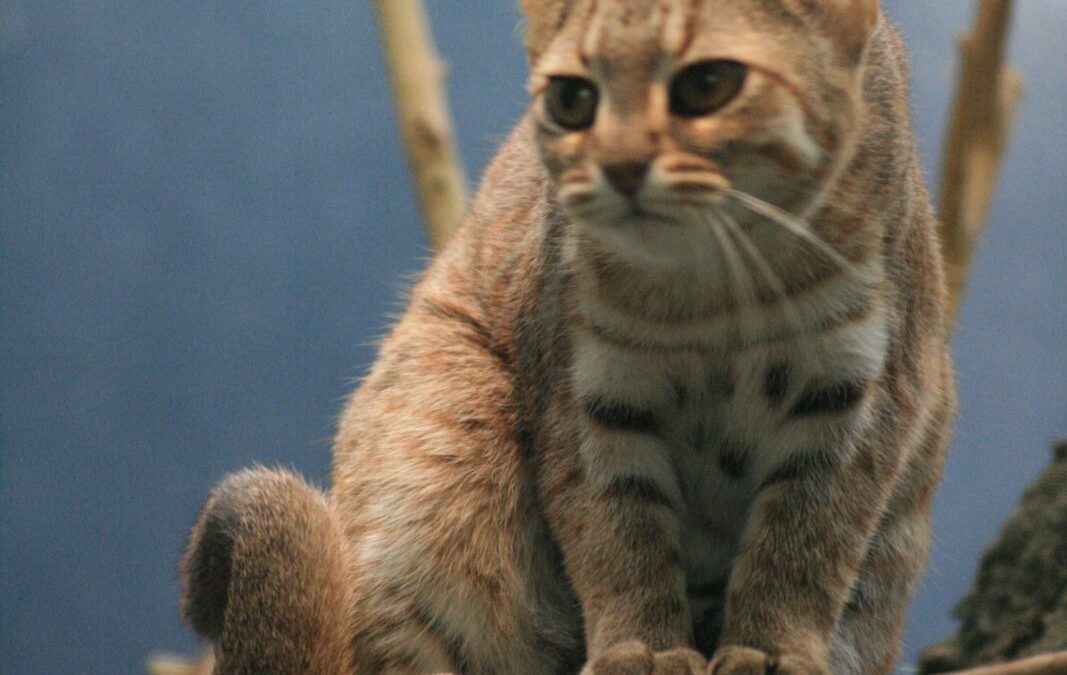
A newly identified 300,000-year-old cat fossil found in China is reshaping what scientists know about the evolution of small wild cats. According to the study describing the find, the new species suggests there was a much greater diversity of leopard cats during prehistoric times than previously believed.
Researchers from the Institute of Vertebrate Paleontology and Paleoanthropology unearthed the fossil, a jaw fragment, at the Hualongdong site in eastern China’s Anhui Province, and named the new species Prionailurus kurteni. The ancient cat was small enough to fit in the palm of a hand, comparable in size to today’s rusty-spotted cat and black-footed cat, currently the smallest living feline species.
The fossil also provided the first physical evidence supporting a long-suspected link between leopard cats, domestic cats and Pallas’s cats, which molecular biology research had suggested share a common ancestor. An inclined first molar tooth shape offered the key evidence connecting the three species.
Beyond the cat itself, the discovery offers clues about the wider Hualongdong site, which has also yielded around 20 ancient human fossils, over 400 stone artefacts and more than 80 vertebrate fossils. Each animal fossil found there helps researchers build a clearer picture of the environment, diet and challenges faced by the site’s early human inhabitants.
Image: Wikimedia Commons/by UrLunkwill

Leave a Reply