This CEO’s salary dropped to $90,000 during a crisis, and he says it wasn’t a sacrifice
Japan Airlines CEO Haruka Nishimatsu cut his own pay during the airline's 2009 financial crisis, arguing that executives should share the same economic reality as their employees.
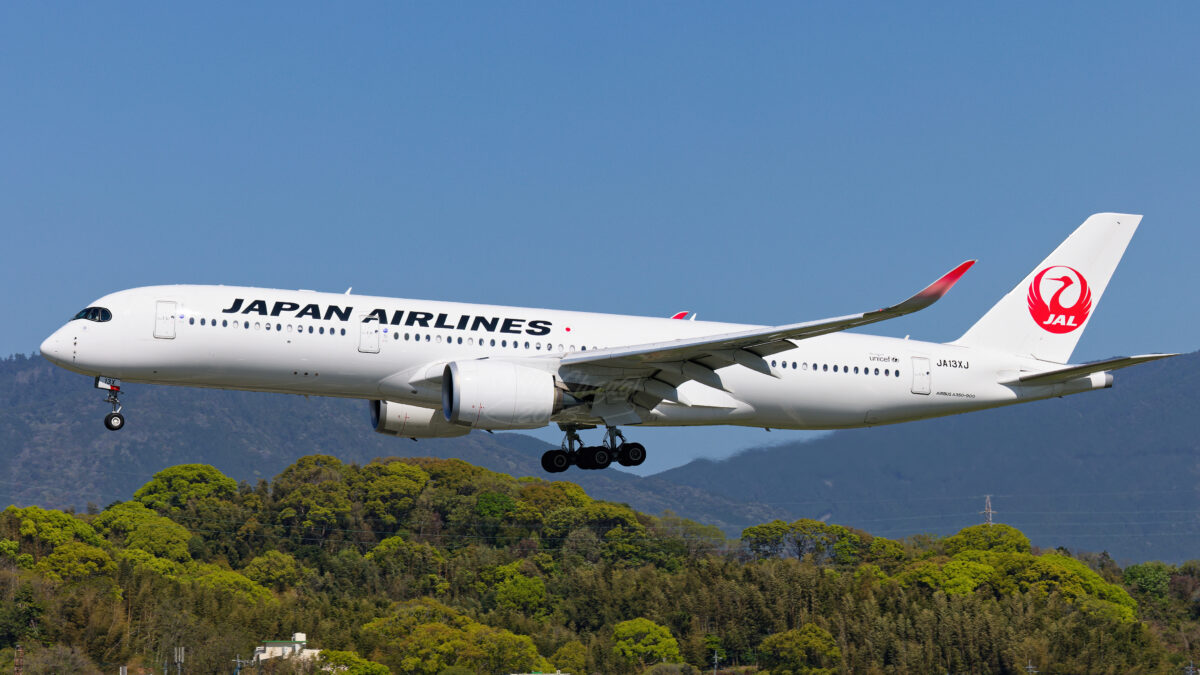
Most executives describe a major pay cut as a sacrifice. Haruka Nishimatsu didn’t see it that way. As CEO of Japan Airlines during the company’s severe 2009 financial crisis, Nishimatsu reduced his own annual salary to about $90,000 and argued that leaders simply needed to experience the same economic reality as the employees whose pay they were also cutting.
JAL, one of the most successful airlines at the time, was incurring billions of yen in losses as the global recession sharply reduced air travel demand. As the company rolled out salary cuts across the organisation, Nishimatsu made a point of sharing that burden rather than staying insulated from it — a decision CBS News documented in an interview that has since become a widely cited example of leadership during corporate adversity.
The pay cut was only the most visible part of a broader shift. Nishimatsu commuted to the office using Tokyo’s public bus network instead of a chauffeured car, bought affordable business suits rather than luxury brands, and regularly ate lunch with employees in the staff cafeteria instead of executive dining spaces. He also removed the walls surrounding his office entirely, believing an open layout would let employees approach him directly rather than waiting on layers of management.
“If management is distant, up in the clouds, people just wait for orders,” Nishimatsu told CBS News, explaining that he wanted staff to feel free to think for themselves and raise concerns directly. His approach also drew comparisons to Southwest Airlines CEO Gary Kelly, who held a similar belief that organisations can’t succeed if leaders treat themselves differently from the people who work for them. Japan Airlines eventually went through bankruptcy protection and major restructuring before returning to profitability, but Nishimatsu’s leadership style during the crisis has remained a frequently cited example of accountability in business.


Leave a Reply