This AI is 89% accurate, but doctors say it’s not ready yet
RetinaMind, an AI built by a 17-year-old student to screen for autism and ADHD, achieved 89% accuracy in testing, but researchers say clinical trials are still needed.
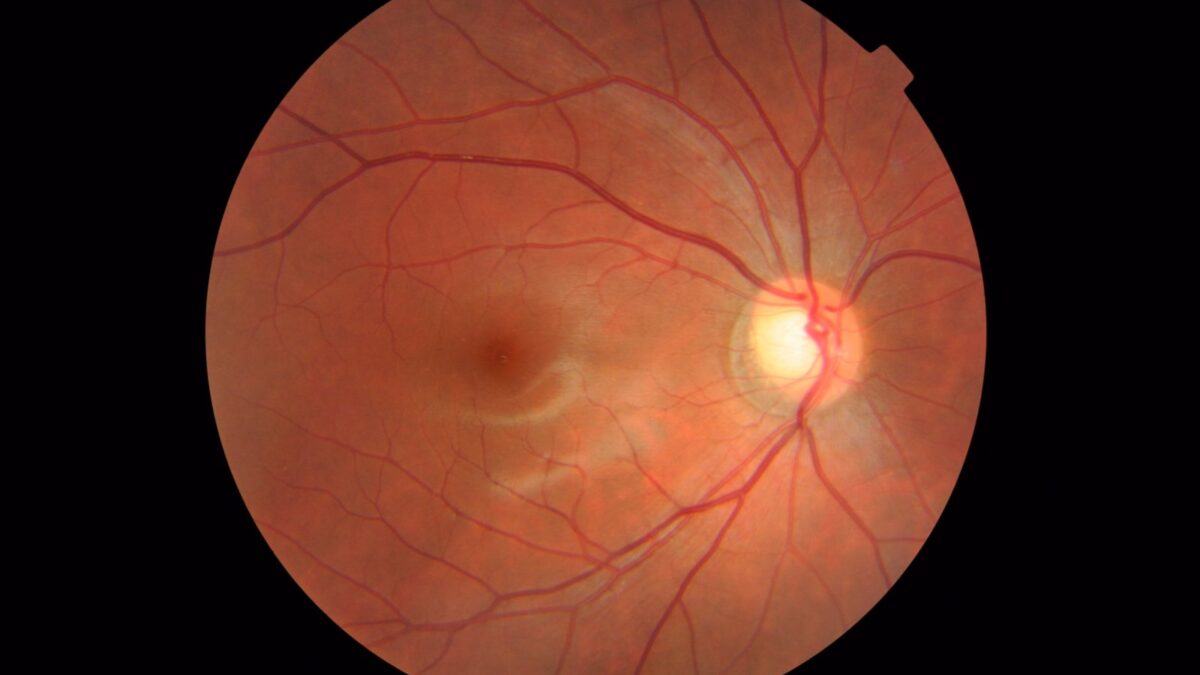
RetinaMind, an AI tool built by 17-year-old New Jersey student Edward Kang to screen for autism spectrum disorder and ADHD, achieved 89% diagnostic accuracy in its initial research testing. But researchers caution that the figure comes from public research datasets rather than real-world hospital settings.
The system has not yet undergone the large-scale clinical trials needed to confirm whether it performs consistently across different populations and healthcare environments, and experts say these validation studies are essential before any AI-based retinal screening tool can be considered for routine medical use.
Kang, a senior at Bergen County Academies in Hackensack, began working on RetinaMind in 2023 after reading research suggesting the retina could offer clues about neurological conditions. He trained the AI on publicly available retinal image datasets, looking for microscopic patterns linked to autism, ADHD and neurotypical individuals, and the project earned him second place and a $175,000 prize at the 2026 Regeneron Science Talent Search.
Autism and ADHD are currently diagnosed through comprehensive evaluations that include behavioural assessments, developmental history and psychological testing. No AI system has yet been approved to diagnose either condition using retinal scans alone, but scientists are increasingly exploring the retina as a window into brain health, with similar research underway for Alzheimer’s, Parkinson’s and schizophrenia.
Image: Wikimedia Commons/by OptometrusPrime


Leave a Reply