The shore looked close enough to swim to, it wasn’t
After the SS Valencia struck rocks off Vancouver Island in 1906, survivors could see land nearby, but cliffs, freezing water and violent waves made the shore nearly impossible to reach.
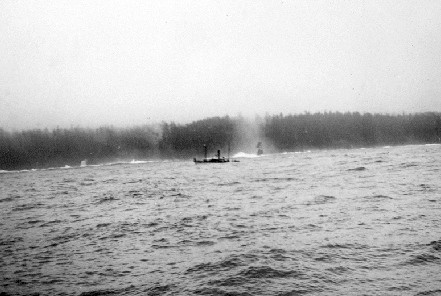
After the SS Valencia struck rocks near Pachena Point on Vancouver Island shortly after midnight on January 22, 1906, its passengers could see the shoreline. To many aboard, land appeared close enough to offer hope of survival.
But the distance was misleading. The coastline was made up of cliffs, sharp rocks and rough terrain, with no easy route from the wreck to safety. Anyone entering the water faced freezing temperatures, strong waves and the possibility of being thrown against the rocks. Lifeboats were launched as conditions deteriorated, but several attempts ended in disaster as the boats overturned in the violent seas.
Some survivors did manage to reach shore, but the isolation of the location created another problem. The nearest settlements were far away, and travelling through the thick coastal wilderness was extremely difficult. A number of those who reached land left the wreck site in search of assistance, and by moving away, they were no longer present when later rescue efforts arrived. The wreck remained stranded, with many passengers still trapped aboard.
According to the Government of Canada, 136 passengers, including 17 women and 11 children, died in the disaster, and only 37 survived, making it one of the deadliest maritime disasters in the Pacific Northwest.
Image: Wikimedia Commons



Leave a Reply