Stone Age healers may have been far smarter than we ever assumed
A 5,300-year-old skull from Spain shows Neolithic healers could diagnose serious infections and perform complex surgery that gave patients a real chance of survival.
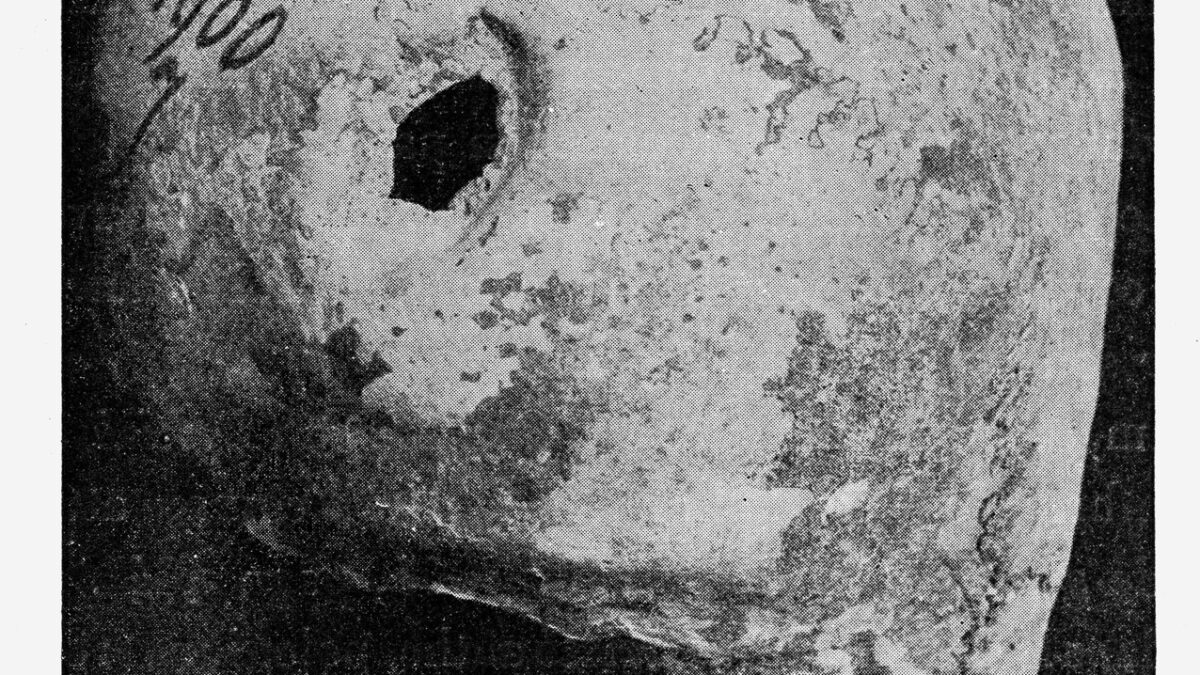
The discovery challenges the long-held belief that Stone Age societies relied only on primitive remedies. A 5,300-year-old skull found in northern Spain suggests Neolithic healers were capable of diagnosing serious illnesses, identifying their source, and carrying out complex surgical procedures that gave patients a genuine chance of survival.
The skull, unearthed in 2018 from the Dolmen of El Pendón near Reinoso in Spain’s Burgos province, belonged to a woman believed to be around 65 years old. It showed two carefully made openings behind her ears, evidence of two separate surgeries likely performed months or years apart to treat mastoiditis, a dangerous infection of the mastoid bone.
New bone growth around both openings proved the woman survived each operation, despite the surgeon relying on sharpened flint tools rather than modern instruments, and despite the total absence of antibiotics or anaesthesia. Researchers believe she may have been given naturally occurring pain-relieving plants, such as poppy, to endure the procedure.
Combined with other archaeological evidence of trepanation, early amputations and ancient dental treatments, the Spanish skull paints a picture of prehistoric communities with far more advanced medical knowledge than scientists previously believed. The findings are published in the journal Scientific Reports.
Image: Wikimedia Commons


Leave a Reply