Sea monsters, U-boats and the Bermuda Triangle: every theory behind the USS Cyclops disappearance
The 1918 disappearance of the USS Cyclops has inspired theories ranging from German submarines to paranormal forces, but historians say none is backed by evidence.
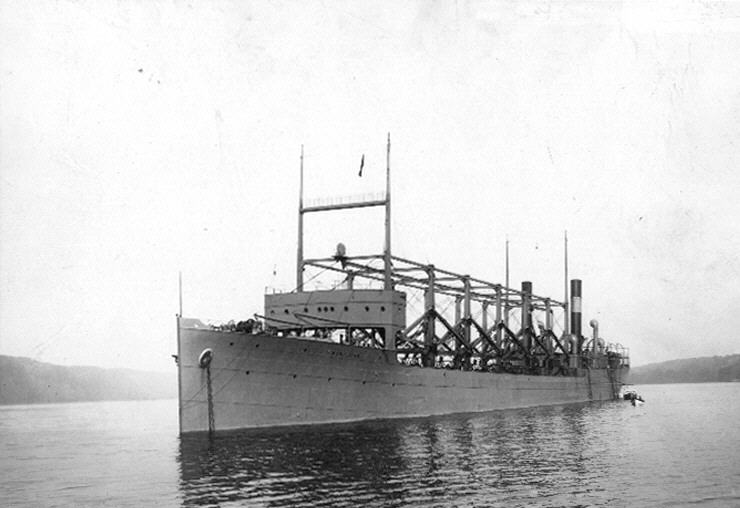
The Cyclops’ disappearance has frequently been linked to the so-called Bermuda Triangle, largely because the ship vanished after leaving Barbados in March 1918. Popular books and documentaries have attributed the loss to everything from rogue waves and sea monsters to paranormal forces. Historians, however, note that none of these claims is supported by evidence.
Another persistent theory suggested the vessel had been sunk by a German U-boat during World War I. Postwar German naval records, however, found no submarines operating in the area at the time of the disappearance. Likewise, despite numerous searches over the decades, no verified wreckage has ever been located on the seafloor.
The USS Cyclops, then the largest fuel ship in the U.S. Navy, had departed Barbados carrying approximately 11,000 tons of manganese ore and 306 officers, sailors and passengers, bound for Baltimore. It never arrived, and no distress signal was ever transmitted. The lack of physical evidence has left investigators relying largely on historical documents, engineering analyses and witness accounts recorded before the ship’s final departure.
While the exact cause may never be known, many maritime historians believe a combination of factors offers the most plausible explanation. The Cyclops had reportedly experienced engine problems during the voyage, may have been operating on only one engine for part of the trip, and was carrying one of the densest cargoes a collier could transport. Combined with possible structural weaknesses and rough Atlantic conditions, the ship may have suffered a rapid catastrophic failure that left no opportunity to send a distress signal.



Leave a Reply