RBI closes the loophole letting defaulters buy back their own seized assets
The Reserve Bank of India has barred defaulting borrowers and their related parties from repurchasing assets that banks seize to recover unpaid loans.
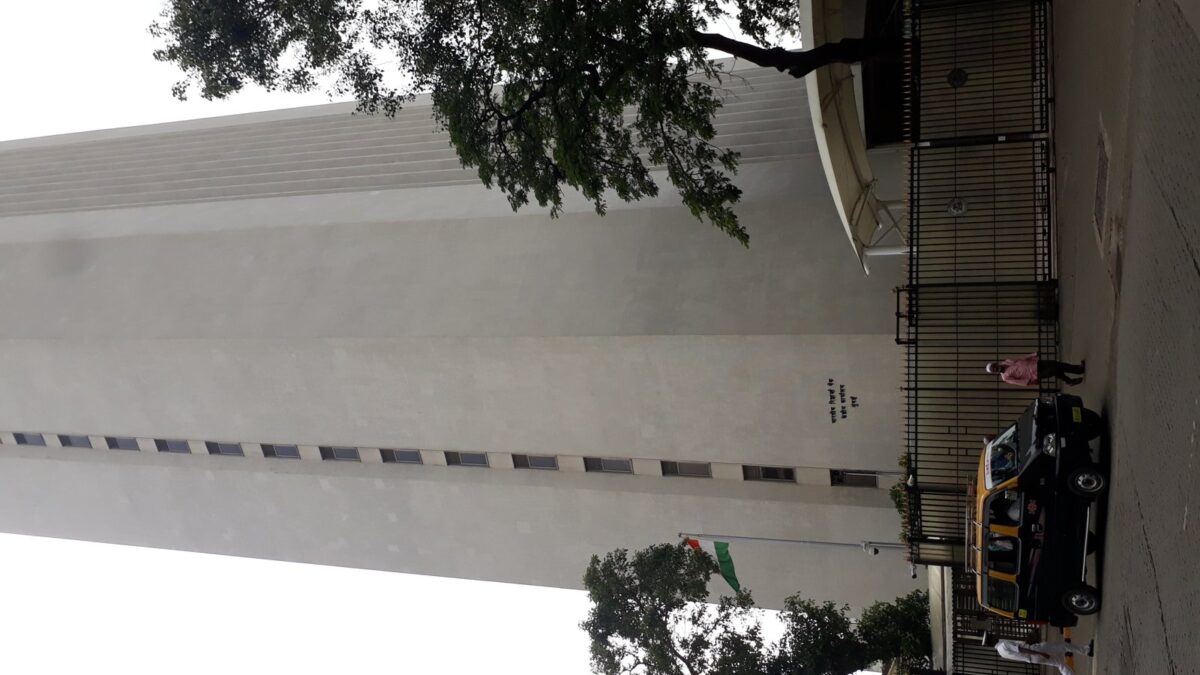
A loophole that let some loan defaulters eventually buy back their own seized property has been shut for good. New Reserve Bank of India directions, effective Oct 1, 2026, bar defaulters and their related parties, as defined under the Insolvency and Bankruptcy Code, 2016, from repurchasing assets that any bank or finance company acquired to recover unpaid loans.
The bar applies no matter what the bank does with the asset later — reclassify it, repurpose it, or use it for something else entirely, the original defaulter and related parties remain locked out of ever buying it back.
Banks will also have to clean up their own process before they can even acquire such assets. The RBI now requires board-approved policies setting caps on non-financial assets as a share of total assets, clear eligibility criteria, defined delegation structures, and documented recovery efforts logged before any acquisition — and only on accounts already classified as non-performing assets.
A seized asset can be formally recorded only once legal title has transferred to the bank and it holds full control over the property. From that point, a seven-year window applies to dispose of it through public auction under Securitisation and Reconstruction of Financial Assets and Enforcement of Security Act principles, with assets already held as of Sept 30, 2026 given until Sept 30, 2027 to comply.
Where a lender opts to retain rather than immediately sell the property, the RBI has standardised its valuation: banks must record it at the lower of the settled loan’s net book value or a distress sale value confirmed by at least two external valuers.
Going forward, such assets must be disclosed separately on a bank’s books, and are explicitly excluded from gross NPA, net NPA, and provisioning coverage ratio calculations.
Wikimedia Commons/by Pinakpani
Leave a Reply