Rare ‘pearls’ found deep in a Vietnamese cave could take thousands of years to form
A newly discovered cave in Vietnam's Phong Nha-Ke Bang National Park contains an unusually large cluster of rare cave pearls, formations that take thousands of years to develop.
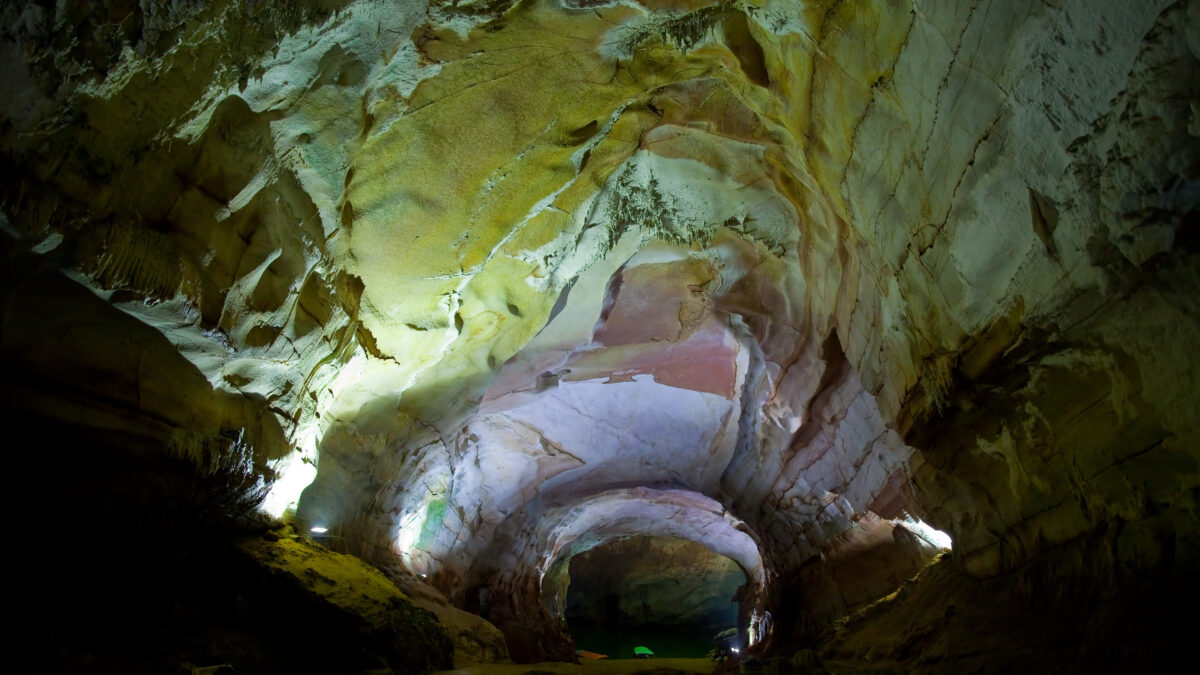
Deep inside Vietnam’s Phong Nha-Ke Bang National Park, researchers have discovered a new cave containing formations so rare that even seasoned cave explorers were struck by them: an unusually large cluster of cave pearls, smooth spherical mineral deposits that take thousands of years to form.
The cave, named Thang Cave or “Victory Cave,” was found within the park’s limestone karst in Quang Tri Province. Phong Nha-Ke Bang is a protected UNESCO World Heritage Site known for its extensive network of caves, underground rivers and dramatic karst formations, many of which remain only partially explored to this day.
As reported by TV BRICS, cave pearls form when mineral-rich water repeatedly deposits thin layers of calcium carbonate around tiny particles, gradually creating almost perfectly spherical structures over thousands of years. While these formations exist in limestone caves worldwide, experts involved in exploring Thang Cave say finding them in such a high concentration is exceptionally uncommon.
Beyond their striking appearance, the cave pearls tell scientists something important: that Thang Cave has maintained remarkably stable geological and hydrological conditions over long stretches of time. Combined with its towering stalactites, stalagmites and pristine limestone formations, the discovery strengthens the case for Phong Nha-Ke Bang’s standing as one of the world’s most significant karst landscapes, with researchers expecting further exploration to reveal even more about the region’s hidden underground world.


Leave a Reply