India’s investment rate trails China’s — NITI Aayog says this is the fix
NITI Aayog Vice Chairman Ashok Kumar Lahiri said India's investment rate of around 25% of GDP lags China's peak growth years, as the body released its new state-level Investment Friendliness Index.
India’s investment rate currently sits at around 25% of GDP — noticeably lower than China’s during the years its economy was expanding fastest. That was the headline concern NITI Aayog Vice Chairman Ashok Kumar Lahiri raised on Friday while releasing a new tool meant to help close that gap: the Investment Friendliness Index, which for the first time scores every Indian state and Union Territory on how easy they make it to invest.
"As we aspire to realise the vision of Viksit Bharat @2047, our challenge is not only to sustain high rates of economic growth but also to ensure that such growth is broad-based, resilient and driven by productivity," Lahiri said, adding that meeting that ambition will require a significant acceleration in investments that expand productive capacity, strengthen manufacturing, create quality employment and foster innovation.
The index behind that message scores states and Union Territories across eight pillars — infrastructure, business climate, resources, government policy, regulatory ease, institutional environment, financial health and environmental resilience — and groups them into three categories: large states, hilly and northeastern states, and city states and Union Territories, covering all 28 states and eight Union Territories.
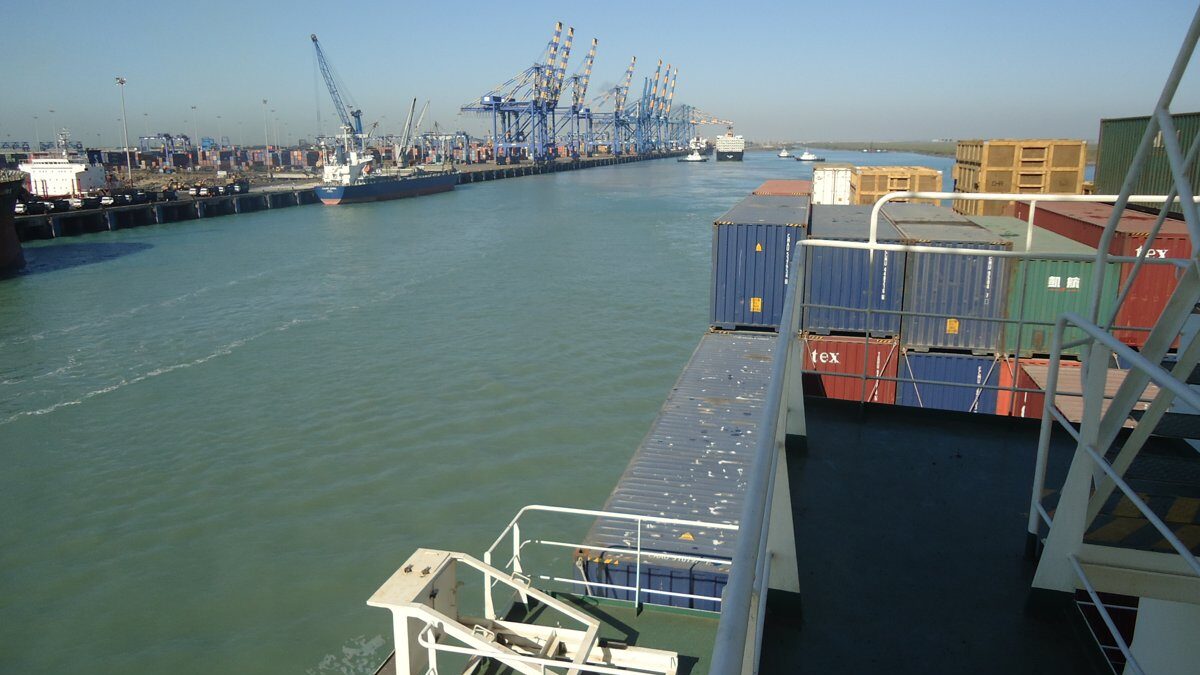
Gujarat emerged as the national leader with a score of 56.6, ahead of Maharashtra at 53.7 and Tamil Nadu at 53.3. Gujarat’s strength came from infrastructure, business climate, financial health, regulatory ease and government policy, with its infrastructure score specifically tied to efficient ports and power supply, competitive electricity tariffs and well-managed transmission and distribution losses; resources, institutional environment and environmental resilience were flagged as areas needing work. Maharashtra’s ranking leaned on a strong business climate score, while Tamil Nadu’s came from infrastructure and business climate, with financial health marked as its weak spot.
Bihar, Jharkhand and West Bengal ranked lowest among large states, with Odisha, Madhya Pradesh and Andhra Pradesh placed just above them in fourth through sixth. Uttarakhand, Assam and Himachal Pradesh led the hilly and northeastern states category, while Lakshadweep, Ladakh and the Andaman & Nicobar Islands ranked lowest among city states and Union Territories, in that order.
NITI Aayog said the index was first proposed in the Union Budget for 2025-26, with the stated goal of strengthening competitive and cooperative federalism by encouraging state-level reforms and building a more investment-friendly ecosystem across the country.
Mundra Port in Gujarat, an example of the port infrastructure that helped drive the state’s top ranking. Wikimedia Commons/by Felix Dance

Leave a Reply