IIM Bangalore to open first international campus in Indonesia’s Malang
The Indian Institute of Management Bangalore will establish its first overseas campus in Indonesia's Singhasari Special Economic Zone.
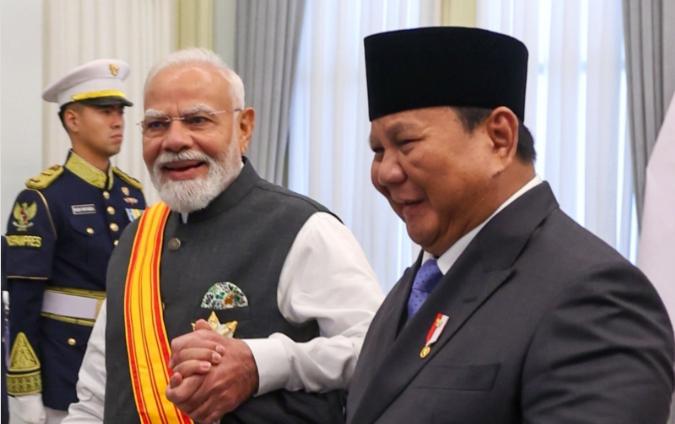
The Indian Institute of Management (IIM) Bangalore will establish its first international campus in Indonesia, under an agreement signed with the Singhasari Special Economic Zone in Malang, East Java, Ambassador to Indonesia Sandeep Chakravorty said at a Ministry of External Affairs briefing on 7 July 2026. He was responding to a question from Aanchal Gulati of DD News during the briefing, held as part of Prime Minister Narendra Modi’s state visit to Indonesia.
Chakravorty said the Singhasari campus would be only the second overseas campus established by any IIM, after one in Abu Dhabi. He said operations are expected to begin “very soon,” and that the campus builds on Indonesia’s push to attract internationally reputed universities, similar in spirit to India’s National Education Policy. He noted that King’s College already operates a campus at the same special economic zone.
Chakravorty said a large number of Indonesian students currently study abroad, leading to a significant outflow of foreign exchange from Indonesia, and that the Indonesian government has been working to bring high-quality international institutions into the country as an alternative. He said the agreement had been approved by both the Indian and Indonesian governments, with the two now-autonomous institutions working together to set up the campus.
The education agreement was one of several announced during Modi’s visit, which Secretary (East) Rudrendra Tandon described as part of deepening people-to-people ties between the two countries. Tandon separately cited the upcoming Nalanda University linkage and Wednesday’s planned visit by Modi and President Prabowo Subianto to the Prambanan Temple conservation project in Yogyakarta as part of the same effort.
Tandon said India and Indonesia see their relationship as extending beyond the modern era, pointing to centuries-old civilizational links as a basis for expanding educational and cultural exchange alongside economic and defense cooperation.


Leave a Reply