How China’s 30-city sponge pilot grew into a nationwide flood strategy
China's sponge city programme began as a 30-city pilot in 2013 and has since grown into a nationwide urban flood strategy.
China’s sponge city programme began modestly in 2013, with a formal pilot covering 30 selected cities testing integrated urban stormwater management techniques under a range of local conditions, from the mountainous terrain of southwestern China to fast-growing coastal megacities, according to a review published in the journal Environmental Chemistry Letters.
The pilot cities served as testing grounds for the mix of green infrastructure best suited to each location’s soil type, climate and existing drainage network, with results feeding into how the wider programme has evolved since. The concept, first put forward as national policy by President Xi Jinping in 2013, replaces traditional drainage systems built to channel rainwater away quickly with softer, more absorbent infrastructure that soaks up water, stores it and releases it slowly.
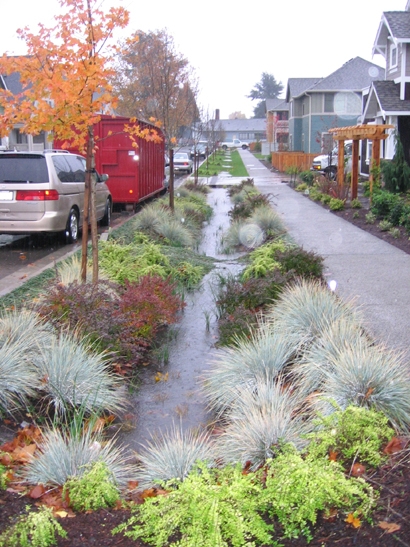
The approach uses permeable pavements, rain gardens and bioswales, wetlands and retention ponds, and green roofs to capture rainfall before it reaches street level. According to a World Bank account of the programme, China now aims to turn 80% of its urban areas sponge-like by 2030.
Case studies of the Wuhan and Xiamen sponge city projects have found the approach delivers economic benefits that outweigh its implementation costs when compared with traditional flood defences.



Leave a Reply