From bears to moose: the golden rules that could save your life outdoors
A wildlife safety guide breaks down exactly how hikers should react to bears, mountain lions and moose encountered in North American parks.
North America’s national parks are home to some of the most thrilling wildlife sightings anywhere, from grizzly bears to mountain lions to moose, but wildlife safety experts say each of these animals demands its own specific response if an encounter turns tense. The overall message is reassuring: attacks are rare, a person is more likely to be hurt in a car accident involving a deer than by a mountain lion, and knowing the right reaction in advance is the single best form of protection.
Large herbivores are often the most underestimated risk. Moose, bison and elk can be just as dangerous as predators, particularly a moose protecting its calves, and the advice is simple: give them plenty of room. Visitors should not try to walk past a moose in the wild; instead, they should give it a wide berth or turn back and wait for it to move on. If a moose does charge, running and taking cover behind a tree or a car is the recommended response.
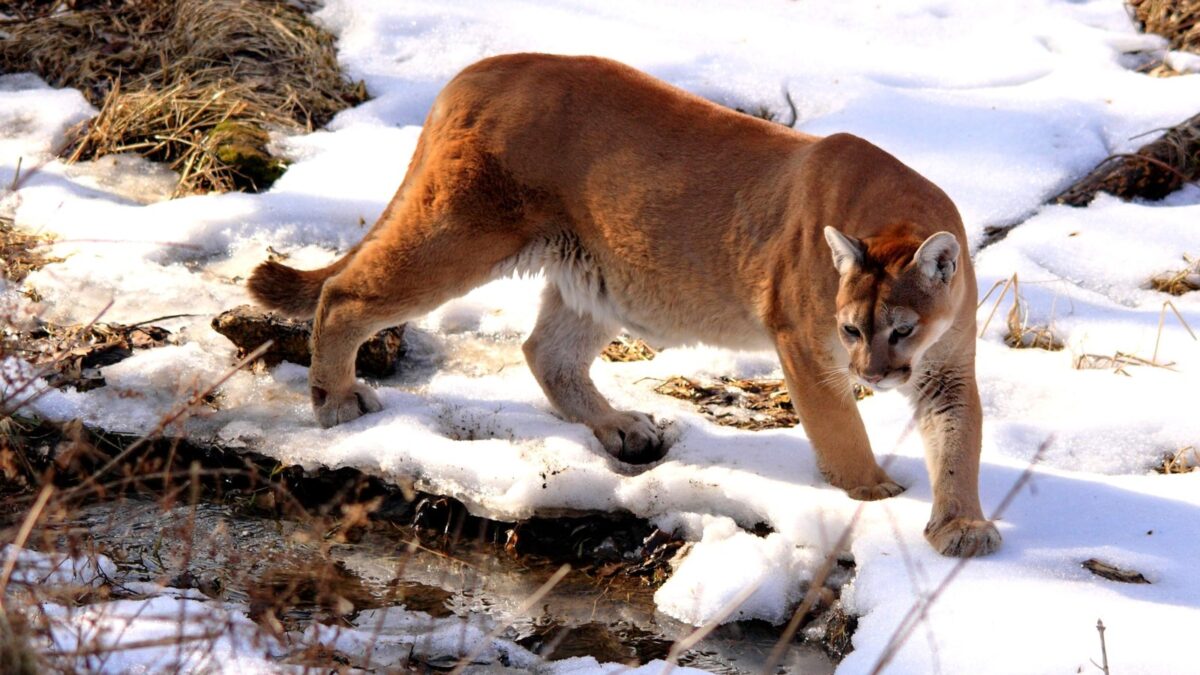
Mountain lions, by contrast, rarely seek out confrontation, but one rule matters more than any other if one is spotted: never crouch. Because a crouching or bending posture can resemble a four-legged prey animal like a deer, hikers, including those picking up a child, are told to stay as upright as possible. If the lion advances, waving the arms slowly, speaking firmly, and throwing stones or branches near it, never at its head, can convince it to back off.
Bears call for the most situational judgement of all. A defensive bear, usually guarding food, cubs or its own space, may moan, ‘woof’ or swat the ground as a warning, and the safe response is to stay calm, speak softly and back away slowly without running. A predatory bear behaves very differently, showing calm and sustained interest, and in that case the correct move flips entirely: stand ground, look as large as possible, raise the arms, and shout loudly rather than retreat.
None of this replaces basic preparation before entering the wild. Travelling in groups lowers risk since most animals avoid larger gatherings of people, keeping children close at all times is essential, and staying alert by putting away phones and earbuds helps hikers spot an animal’s presence early.
Wildlife authorities describe seeing these animals as a privilege that comes with responsibility: keeping a safe distance, staying in groups and knowing how to react are what keep both people and animals safe. Any serious encounter or attack should be reported immediately to park rangers or local wildlife authorities so they can assess public safety and manage local animal populations.
Wikimedia Commons/by NaturesFan1226


Leave a Reply