Switzerland’s WWII Gold Wasn’t in Zurich Vaults — It Was Hidden in the Alps
Archival research shows Switzerland secretly stored much of its World War II-era gold reserves inside a converted military depot in the Alps, not its city vaults.
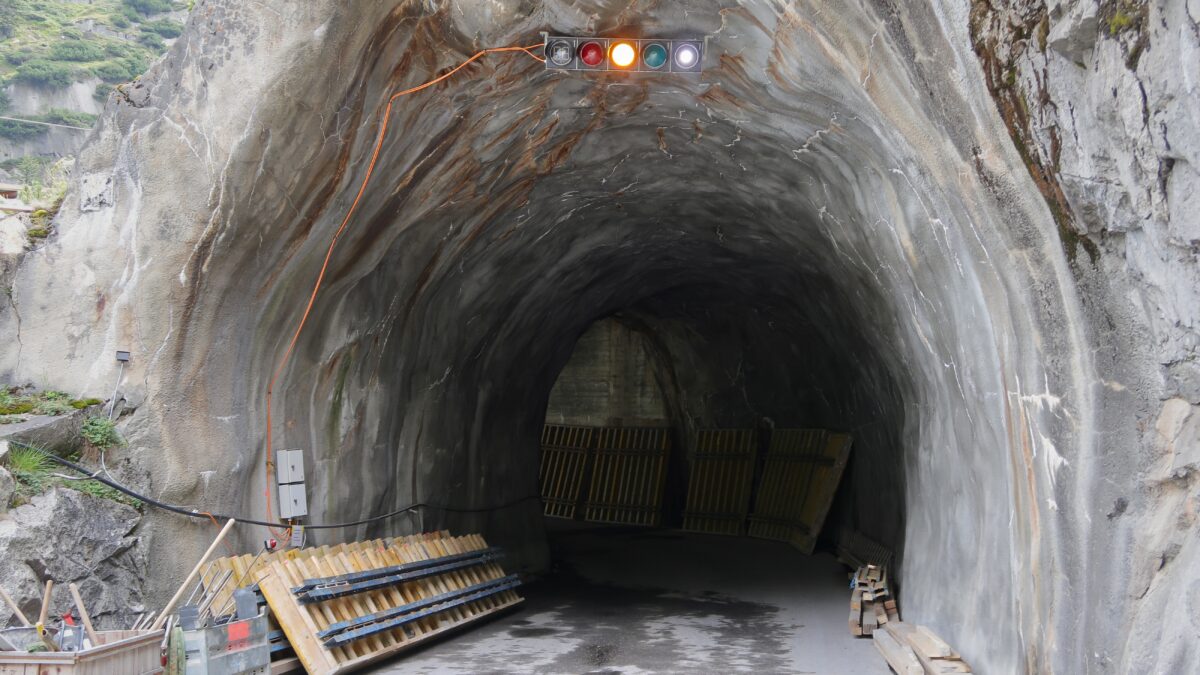
For decades, the assumption was that Switzerland’s gold reserves sat almost entirely beneath its major banking centres. New archival research published in the Journal of Contemporary History tells a different story: as World War II loomed in 1939, the Swiss National Bank moved substantial quantities of gold into a converted military ammunition depot deep in the Bernese Alps.
Historian Ludo Groen of ETH Zurich, who conducted the study, found that the underground depot was adapted that year to hold the bank’s domestic reserves, providing a level of secrecy and physical protection the vaults in Zurich and Bern could not offer as the continent edged toward war.
Originally intended only as an emergency evacuation site in case of an attack on Switzerland, the mountain facility took on a much bigger role as the war continued. Gold bar holdings expanded quickly, outgrowing the capacity of the city vaults, and the Alpine site was converted into a permanent storage centre.
The research draws on extensive Swiss National Bank archives and physical analysis of the surviving underground structure, showing the bank built a full support network around the vault — covering security, transport routes and administration — to manage its growing bullion stock.
The mountains had long anchored Switzerland’s defence strategy through the ‘National Redoubt’ concept, and the study shows financial security became closely tied to that same defensive infrastructure, offering historians fresh insight into how the country protected its reserves while remaining neutral through the war.


Leave a Reply