Arthur Conan Doyle wrote fiction about this ship. People still think it’s true
Arthur Conan Doyle's 1884 short story about the Mary Celeste introduced fictional details that many people later mistook for historical fact about the famous ghost ship.
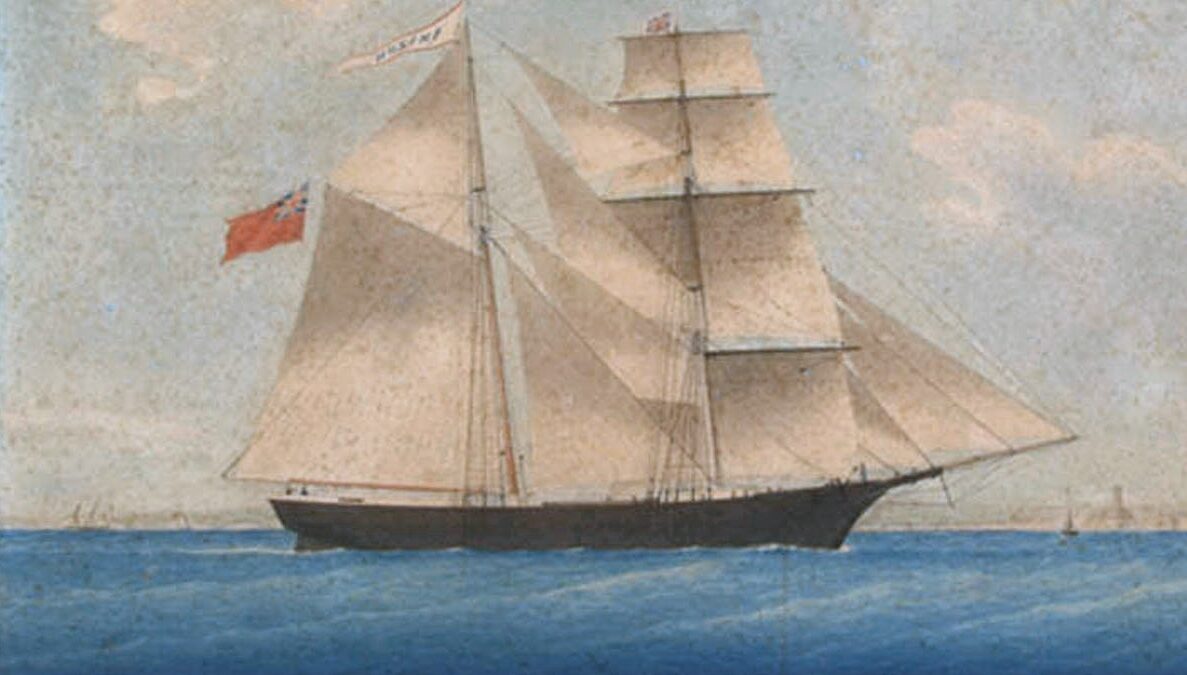
The Mary Celeste continued sailing under new owners after being salvaged following its mysterious 1872 abandonment, but its reputation as the “ghost ship” of the Atlantic only grew stronger over time. The mystery entered popular culture through books, documentaries and fiction, including Arthur Conan Doyle’s 1884 short story J. Habakuk Jephson’s Statement, which introduced fictional details that many people later mistook for historical fact.
Historians today caution that many of the story’s most sensational elements, including sea monsters, alien encounters and paranormal explanations, were added decades after the event. What remains historically verifiable is already extraordinary enough: a seaworthy ship found adrift, fully stocked, carrying valuable cargo, with every person aboard vanished forever.
When the British brigantine Dei Gratia discovered the Mary Celeste drifting in the Atlantic on December 4, 1872, Captain Benjamin Briggs, his wife, their two-year-old daughter and seven crew members had all disappeared without explanation. The vessel’s cargo of more than 1,700 barrels of industrial alcohol remained largely in place, and there was enough food and fresh water aboard for months, yet not a single person remained on board.
An official investigation in Gibraltar considered mutiny, piracy, murder and insurance fraud as possible explanations, but found no evidence of violence or struggle. More than 150 years later, the fate of Briggs, his family and crew remains one of the most enduring unsolved mysteries ever recorded at sea.
Leave a Reply