Not all bees are equally exposed to pollution, new toxic metals study reveals
A new study finds bumblebees and honeybees experience very different levels of toxic metal exposure even when foraging in the same landscape.
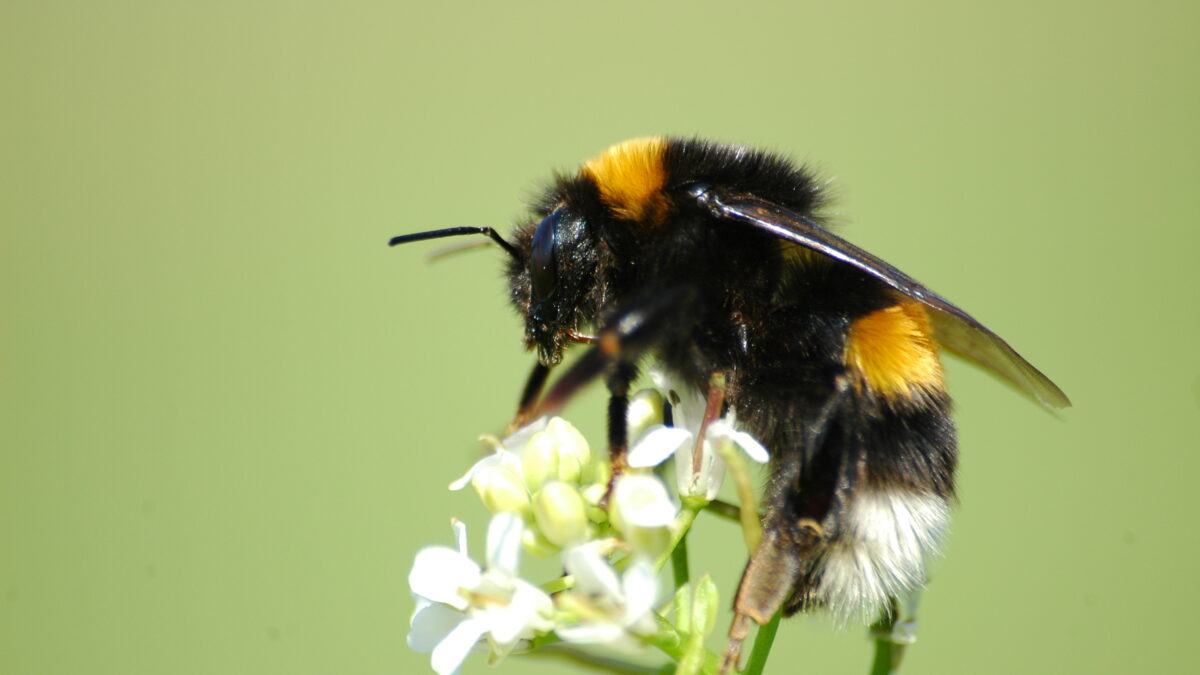
Different bee species can experience very different levels of exposure to environmental contaminants despite sharing the same landscape, according to a new study in the journal Ecological Entomology titled ‘Eusocial bee species are exposed to different toxic element profiles despite foraging within the same landscape.’
Heavy metals occur naturally in the environment, but many are also linked to farming, industry, traffic emissions and historical pollution. Once present in soil, dust or water, these elements can enter flowering plants and eventually reach pollinators that feed on them.
The study placed colonies of buff-tailed bumblebees and western honeybees at the same sites in Cambridgeshire, England, in some cases less than 50 metres apart, and found bumblebee-collected pollen contained two to seven times higher concentrations of arsenic, chromium, cobalt, lead and tin than honeybee-collected pollen.
Researchers say the result matters because honeybees are often used as indicators of environmental pollution in scientific studies. If bee species are exposed to contaminants so differently, relying on honeybees alone could give an incomplete picture of the pollution risks facing wild pollinators.


Leave a Reply